


 Back
Back Personalization is no longer a differentiator in travel loyalty — it’s a demand. Today’s travelers expect perks and promotions that reflect their preferences and past journeys. In fact, 65% of global consumers prefer to buy from companies that tailor experiences to their wants and needs, raising the bar for relevance across every touchpoint. At the same time, travelers are far more aware of how their data is collected and used, and privacy regulations now directly influence how loyalty programs are designed.
That tension leads to a defining question for the industry: how do travel brands build personalization without compromising privacy? The answer lies in ethical, consent-based strategies that prioritize trust alongside personalization. Discover how today’s brands are delivering custom yet compliant loyalty experiences at scale, plus the global privacy laws leading the way.
Why Personalized Travel Experiences Matter More Than Ever
Travel decisions are rarely simple. With countless options across flights, hotels, and experiences, plus tightening budgets, travelers are more intentional about how they spend. Cost remains the top barrier to travel for 57% of would-be travelers, making relevance critical. Loyalty programs that recognize preferences and previous activity help travelers feel understood, not overwhelmed.
That expectation extends directly into loyalty experiences. Members don’t want generic rewards or one-size-fits-all promotions; they want offers that actually support how, when, and why they travel. Research shows that 71% of consumers expect companies to deliver personalized interactions, while 76% feel frustrated when those expectations aren’t met. It’s a fast track to disengagement.
On the other hand, when personalization is executed well, the impact is measurable. Loyalty programs see a 6.4× lift in member satisfaction, a 5.2× lift in retention, and a 3.5× increase in spending. Personalized marketing experiences can also drive a two-to-four-point improvement in gross margin dollars compared to standard mass offers, reinforcing the business case.
Why Privacy Laws Are Now Central to Loyalty Strategy
Data privacy has become a core trust signal for travel brands, not just a legal checkbox. Today’s travelers are paying closer attention to who has access to their data and how it’s used. Globally, 53% of consumers say they’re extremely or very concerned about the privacy of their personal information. Concern is even higher in the U.S, with 56% of consumers wary of data privacy.
That concern is paired with skepticism. Only one-third of consumers worldwide say they mostly or completely trust companies to use their personal data responsibly. Yet the story isn’t anti-personalization. It’s quite the opposite: 83% of consumers are comfortable with companies using some personal data to personalize experiences, especially purchase history and website behavior, when the value exchange is clear.
The expectation is that data is used ethically. Regulators have responded to these expectations with stronger, more enforceable privacy laws worldwide. As a result, privacy compliance now directly shapes loyalty strategy, data architecture, and marketing execution. For travel brands, missteps don’t just create legal exposure. They erode confidence at the moment loyalty depends on trust.
Non-compliance with global privacy laws can lead to:
- Significant financial penalties. GDPR fines can reach up to €20 million or 4% of global annual revenue, whichever is higher. In the U.S., CCPA and CPRA violations can carry penalties of up to $7,500 per intentional violation.
- Reputational damage. Public enforcement actions and news of data misuse can quickly undermine brand credibility and traveler confidence.
Loss of loyalty member trust. Perceived misuse of data can reduce opt-ins, limit data sharing, and weaken long-term engagement.
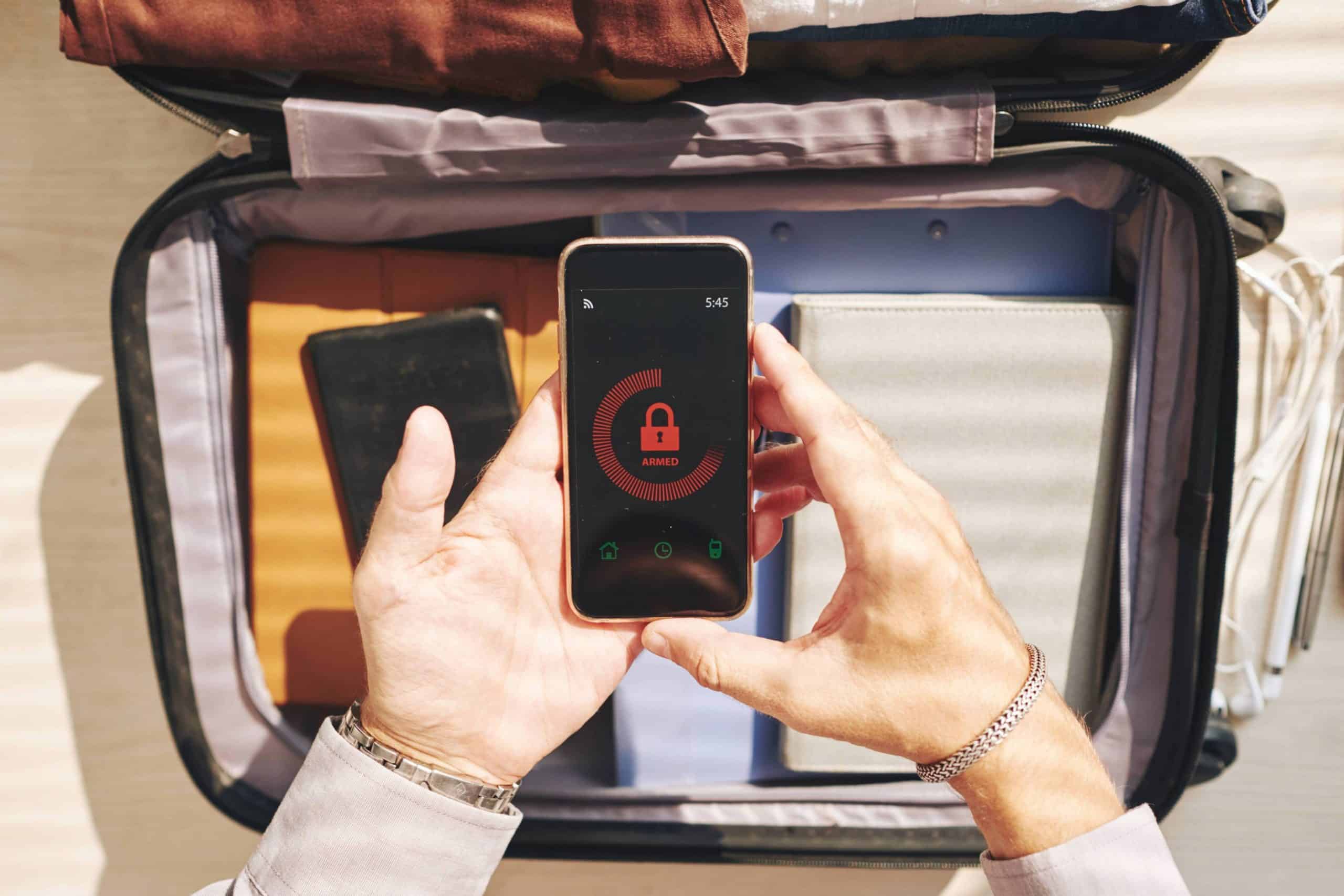
How Privacy Laws Are Shaping Travel Loyalty Programs
Rather than limiting personalization, privacy laws have helped define what ethical personalization looks like in practice. By setting clearer expectations around consent and data use, these regulations encourage loyalty programs built on transparency to strengthen trust, support long-term engagement, and reinforce brand credibility in a privacy-conscious travel landscape.
Privacy laws now directly influence:
- What data can be collected, limiting collection to information that is relevant, necessary, and tied to a clear purpose.
- How data can be used, restricting marketing and personalization to approved, consent-based use cases.
- How long data can be stored, requiring defined retention periods instead of indefinite storage.
The Global Privacy Laws Travel Brands Must Understand
As privacy expectations rise, travel brands don’t need to master every legal nuance; however, they do need a clear view of the regulations shaping loyalty programs today. A handful of foundational privacy laws set the standard for how data is collected, managed, and used across markets, influencing both compliance requirements and ethical personalization strategies worldwide.
Here’s a look at the top global privacy laws to consider when building personalization in travel loyalty.
GDPR (General Data Protection Regulation – EU)
The GDPR is widely considered the global gold standard for data privacy, placing consent and transparency at the center of how personal data is handled. For travel brands, it establishes clear guardrails for ethical personalization and applies well beyond Europe’s borders. GDPR applies to any brand that collects data from EU travelers, regardless of where the company operates.
Key GDPR principles shaping travel loyalty programs include:
- Lawful data collection. Personal data must be collected under a valid legal basis, most often explicit, informed consent.
- Data minimization. Only data that is necessary for a defined purpose can be collected and retained.
- Purpose limitation. Data can only be used for the specific purposes disclosed at the time of collection.
- Consumer rights. Individuals have the right to access, correct, and request deletion of their data.
CCPA and CPRA (California Consumer Privacy Laws – U.S.)
California’s privacy laws have reshaped how travel brands approach consumer data in the United States, shifting power toward the individual. Together, the CCPA and its expansion, the CPRA, emphasize transparency, choice, and accountability in data-driven loyalty programs. While state-based, these laws are often treated as a national standard for U.S. loyalty programs.
Key CCPA and CPRA principles influencing travel loyalty programs include:
- Opt-out controls. Consumers have the right to opt out of the sale or sharing of their data.
- Transparency requirements. Brands must clearly disclose what data is collected and how it’s used.
- Consumer data rights. Individuals can access, correct, and request deletion of their personal information.
- Expanded enforcement. The CPRA strengthens penalties and oversight, increasing compliance expectations.
The Global Ripple Effect of Privacy Regulation
Privacy regulation is no longer concentrated in a few regions. As data protection expectations rise worldwide, travel brands increasingly operate under overlapping frameworks that share common principles around consent, transparency, and accountability. Rather than managing laws market by market, many brands now design loyalty programs to meet the highest global standard.
Global privacy frameworks influencing travel loyalty include:
- UK GDPR: Mirrors EU GDPR requirements post-Brexit, maintaining strict consent and data rights standards.
- LGPD (Brazil): Closely aligned with GDPR, emphasizing lawful processing, purpose limitation, and consumer rights.
- PIPEDA (Canada): Focuses on meaningful consent and limits data use to reasonable purposes.
- APPI (Japan): Requires transparency, data security safeguards, and user control over personal information.
- PDPA (Singapore): Centers on consent-based collection and responsible data management.
How Do Travel Brands Build Personalization Without Compromising Privacy?
Travel brands build personalization without compromising privacy by designing loyalty programs around consent, clarity, and responsible data use. Rather than collecting as much data as possible, ethical personalization focuses on using the right data — transparently, with permission, and in ways that clearly benefit the traveler. In practice, ethical personalization includes:
- Consent-based marketing. Personalization is grounded in clear, informed consent, with straightforward opt-ins and easy-to-use opt-out options that give travelers ongoing control.
- Transparent value exchange. Brands clearly explain how data will be used and show members how personalization improves their travel experience, from more relevant offers to better-timed rewards.
- Zero-party data over third-party data. Personalization is powered by preferences and information travelers intentionally share, such as travel interests or reward priorities
- Data minimization. Loyalty programs collect only what’s relevant for defined use cases, reducing risk while increasing data quality.
“We rely a lot on what’s called zero-party data, or data directly provided by our members, knowing we’re going to use that data to provide a more holistic and more targeted experience for them,” explains arrivia Chief Marketing Officer (CMO) Jeff Zotara.
“For example, we may ask a member what kind of cruise they like to take, what destinations they like, what their budget is, how many children they have… we collect this data from the members directly. What we’re moving toward now is a more customized, personalized, and overall optimized user experience, not only on our websites but in the type of marketing that we do.”
“At the end of the day, the members are really excited because they’re getting more relevant
offers. They’re not feeling that they’re being inundated with emails that were or are completely irrelevant to them, and so they’re more willing to provide data.”
Personalization and Privacy Go Hand-in-Hand with arrivia
The challenge for travel brands isn’t whether to personalize, it’s how to do it responsibly. Privacy laws help set clear boundaries, making travelers more comfortable sharing their data and understanding how it’s used. But while building loyalty programs around consent and transparency creates trust, it also introduces new operational and data decisions for brands to manage.
For teams navigating these expectations, arrivia is already familiar with the privacy and personalization landscape. Using data collected through your platform and customers’ online behaviors, arrivia supports relevant, trust-building marketing experiences. Explore how arrivia travel loyalty solutions help brands customize with confidence while respecting privacy laws.